
Sanding – Components
Sanding systems are used on rail vehicles to ensure sufficient friction between the wheel and rail even in poor conditions.
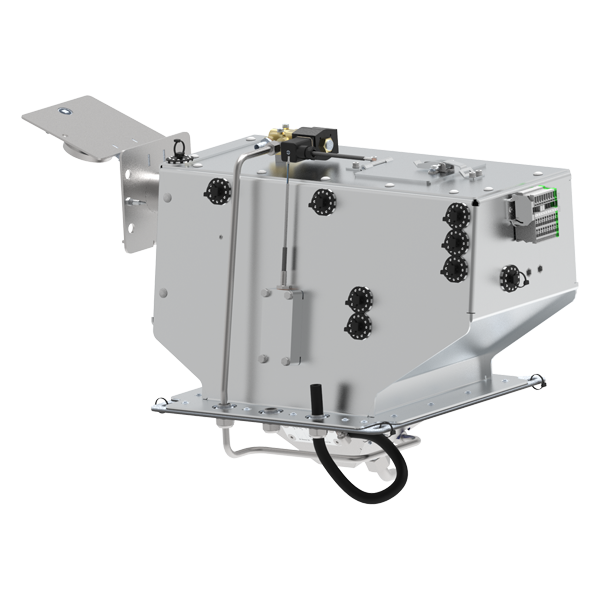
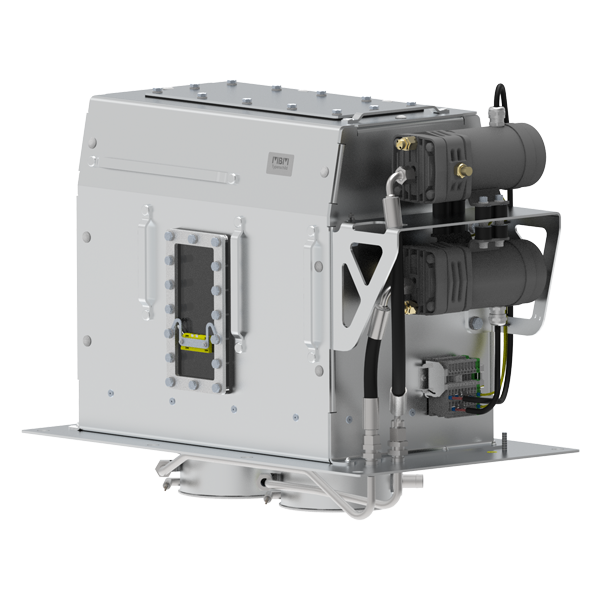
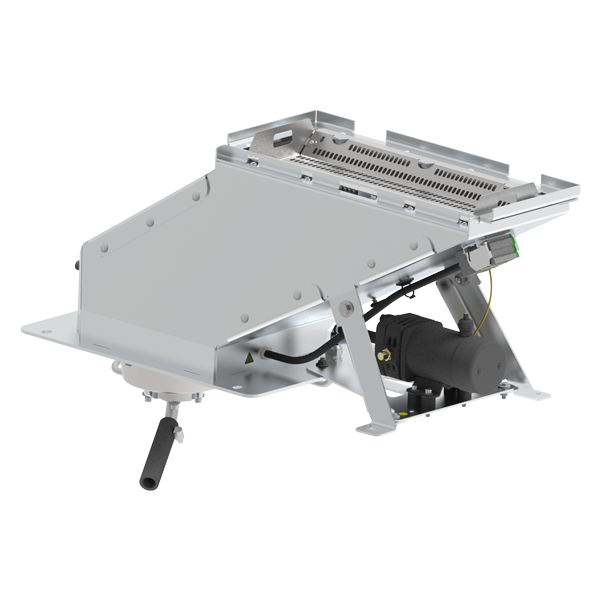
MBM sand systems consist of perfectly matched individual components which can be combined in many different ways to meet your individual requirements and wishes.
How should the system be equipped?
Dosing device - MBM Sandmaus®
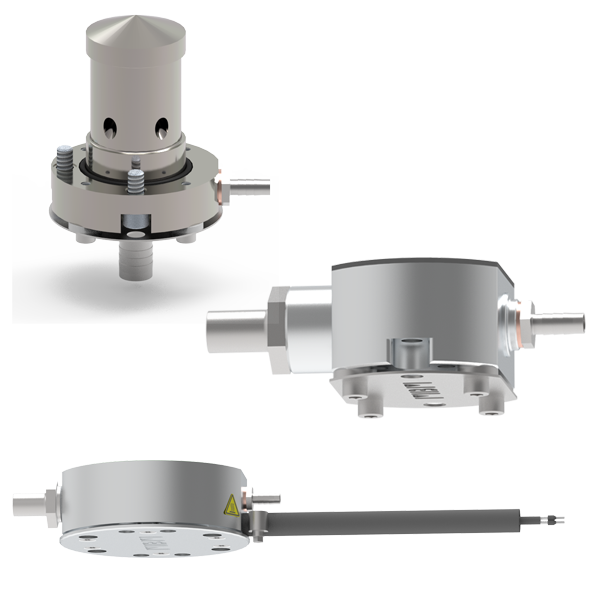
The dosing unit is the most important component of a sanding system. It doses and conveys the sand from the sand container via a sand hose into the wheel/rail gap.
The dosing unit – MBM Sandmaus® – conveys sand purely pneumatically. A vacuum is created inside the Sandmaus by applying compressed air and the Venturi principle. This sucks the sand out of the sand container. There are no moving parts in the sand that could easily jam and be exposed to the abrasive effect of brake sand.
In order to be able to suck sand out of a container with air, the container must be ventilated. (The air used to suck the sand out of the container must somehow get into the container). This ventilation is already integrated in the MBM Sandmaus®. The aeration integrated into the dosing unit is a patented unique selling point of the MBM Sandmaus® and makes a decisive contribution to the accuracy and reliability of the sanding system.
The MBM Sandmaus® is available in many different versions – vertical or horizontal sand discharge, heated or unheated, with or without re-blowing function, with constant or speed-dependent controllable sand quantity, for natural sand or additional alternative gritting agents and many more. All variants have the patented internal aeration in common and, of course, the associated precise and reliable sand dosing.
Sand container
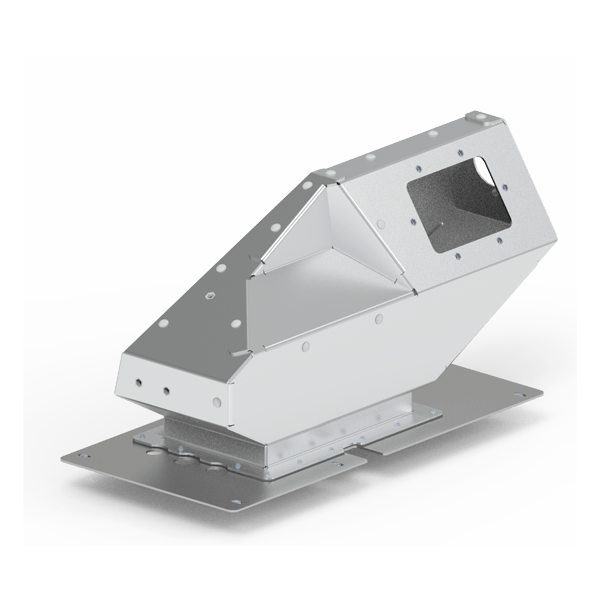
The sand container stores the brake sand. The container is designed taking into account the available installation space. The trickling behavior of the sand is calculated at the design stage with the aid of modern 3D simulation in order to determine the optimum shape of the sand container. This makes it possible to optimize the shape of the container right from the virtual model. The finished container makes optimum use of the available installation space, empties completely and can be filled optimally.
Filler flap
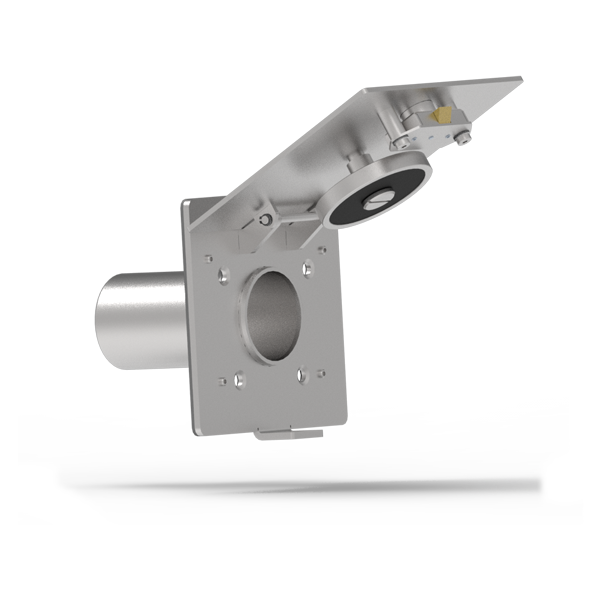
The filler flap is used to fill the sand container and closes the container so that it is watertight and dustproof. Filler flaps can be supplied in all conceivable shapes and colors, also with project-specific locks. What all filler flaps have in common is their solid construction made of high-quality, corrosion-resistant materials for a long, trouble-free service life.
Level sensor
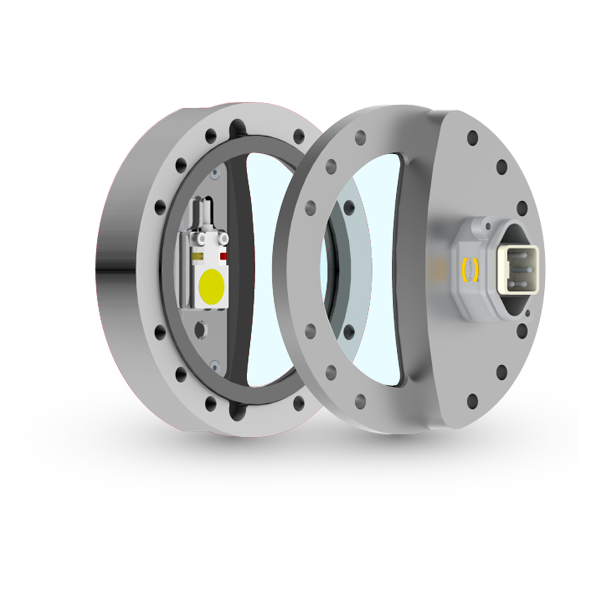
The sand filling quantity in the container can be monitored using simple sight glasses or specially installed sensors. For easily accessible containers, the classic sight glass is hard to beat. In streetcars, level sensors have become established for level monitoring due to the usually inaccessible position of the containers. Of course, we also offer continuously measuring fill level sensors that can display the container fill level practically from 0% to 100%. In our opinion, however, this is more information than necessary.
Compressed air generation -
MBM small compressor
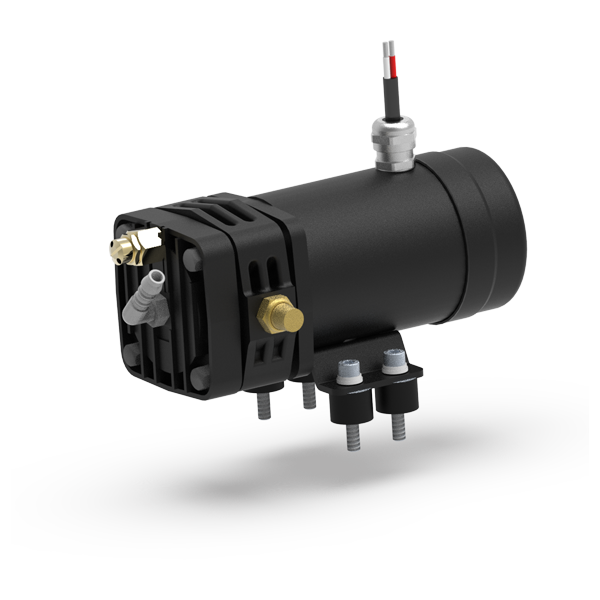
The compressed air required for sand dosing is either provided by the vehicle or generated by a small compressor. The MBM compressor consists of a pump section with a 24V DC motor. The compressor is also designed as simply as possible and is therefore very reliable and stable. The pump section of the compressor works according to the vane cell principle. The separating vanes required for this are made of special carbon and therefore require no lubrication. The motor used is a “real” DC motor that is commutated with carbon brushes. The motor is therefore extremely reliable and durable and does not require any electronic control for operation. The often criticized wear on the carbon brushes is completely uncritical in our application due to the very short switch-on and operating times. The brushes can of course be easily checked and replaced if necessary. However, replacement is only necessary in very rare cases.
Compressed air control-
Pneumatic components
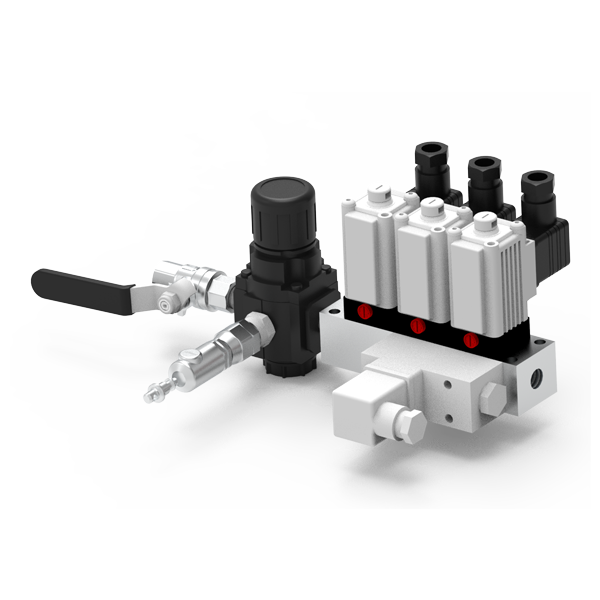
The compressed air required for sand dosing is often controlled via the existing compressed air system on the vehicle. On request, pneumatic components such as stopcocks, pressure control valves, valves for on/off control and also valves for variable control of the sand dosing system can be obtained from MBM. It goes without saying that only tried and tested components suitable for railroad applications are used.
Sand nozzle
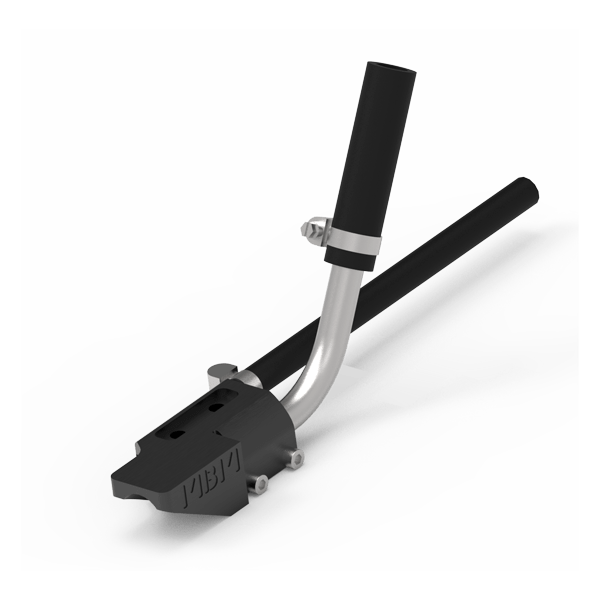
The sand nozzle directs the sand jet precisely into the wheel/rail gap and protects the sand hose from excessive ingress of spray water. MBM sand nozzles are made of high-quality, corrosion-resistant materials and can be fitted with electric heaters on request to make them even more suitable for winter use.
Winter suitability - heating
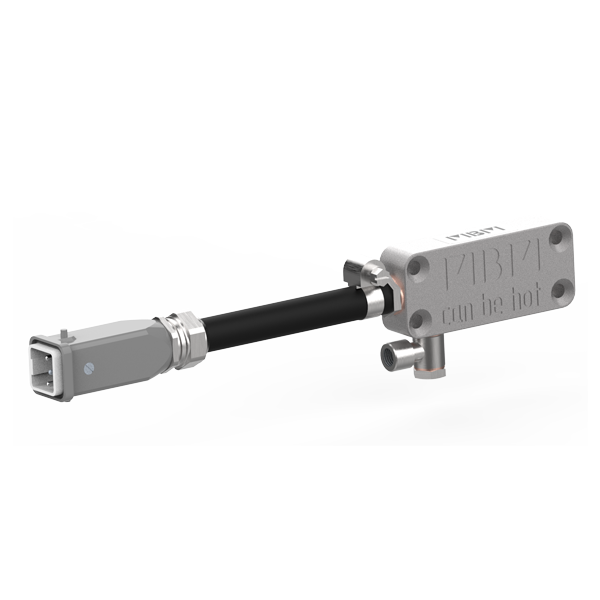
The already good winter suitability of the sanding systems can be further improved by using electric heaters at selected points. Heaters are commonly used for the sand container or for the dosing device and for the end of the sand guide hose or the sand nozzle attached there.
Alternative gritting material - MBM RailGrip
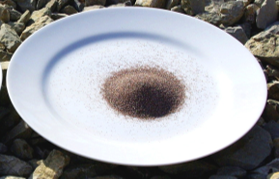
MBM RailGrip
- No particulate matter
- Completely non-toxic
- Only 10% of the amount is needed
- Confirmation that the track is clear
- 10 times fewer refuelling stops
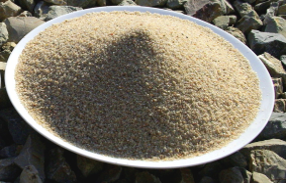
Sand
- Hundreds of tonnes of particulate matter per year
- Harmful to health – silicosis
- Large quantities required
- Accidents caused by incorrect track clearance signals
- high costs due to frequent refuelling
MBM RailGrip® is an alternative to conventional, natural sand as a gritting agent. It is a ceramic granulate (Al2O3, also known as corundum) that has excellent properties as an adhesion enhancer on rail vehicles. In order not to go beyond the scope of this article, some advantages over natural sand are only briefly described here. For further details, please contact
. It should only be mentioned here that the MBM Sandmaus in the DuAL version can discharge both sand in conventional quantities and MBM RailGrip in the very small quantities required for this (approx. 10% of sand). This also makes any desired conversion during operation as simple as possible
Examples of sanding systems